Nestled in the heart of Kenya, Masai Mara National Reserve stands as a beacon of Africa’s natural magnificence. Spanning over 1,500 square kilometers of pristine wilderness, this iconic reserve is renowned worldwide for its unparalleled biodiversity, stunning landscapes, and remarkable wildlife spectacles. Named in honor of the Maasai people who have inhabited the region for centuries and the Mara River that winds its way through the landscape, Masai Mara is a testament to the harmony between humans and nature. From the golden grasslands of the savannah to the lush riverine forests and towering escarpments, every corner of Masai Mara tells a story of untamed beauty and captivating wonder.
Top Attractions / Activities to do in Masai Mara
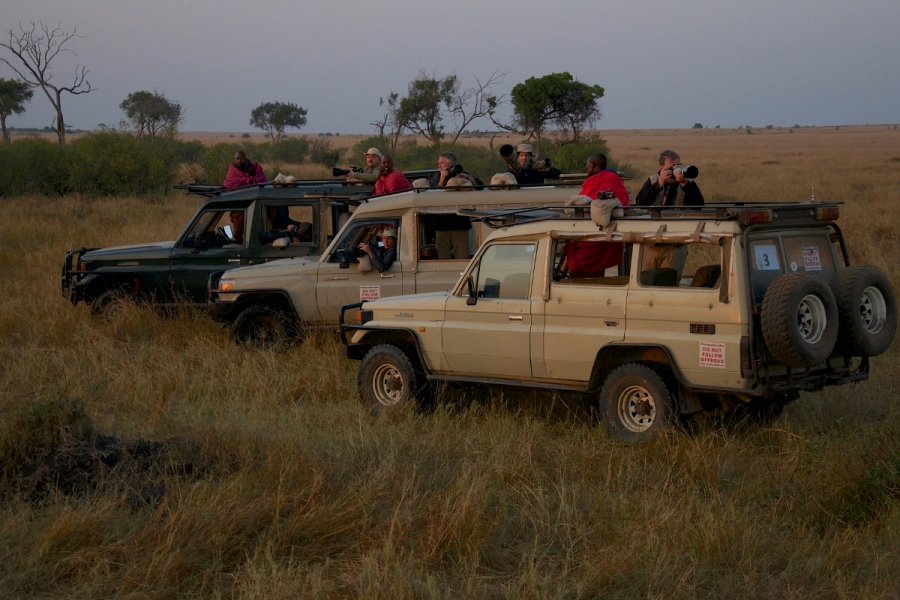
Game Drives
Embark on exhilarating game drives across the vast plains of Masai Mara, where you’ll encounter a myriad of wildlife, including the Big Five – lions, elephants, buffaloes, leopards, and rhinos. Keep your camera ready to capture sightings of cheetahs, giraffes, zebras, wildebeests, and countless other species that call this reserve home.
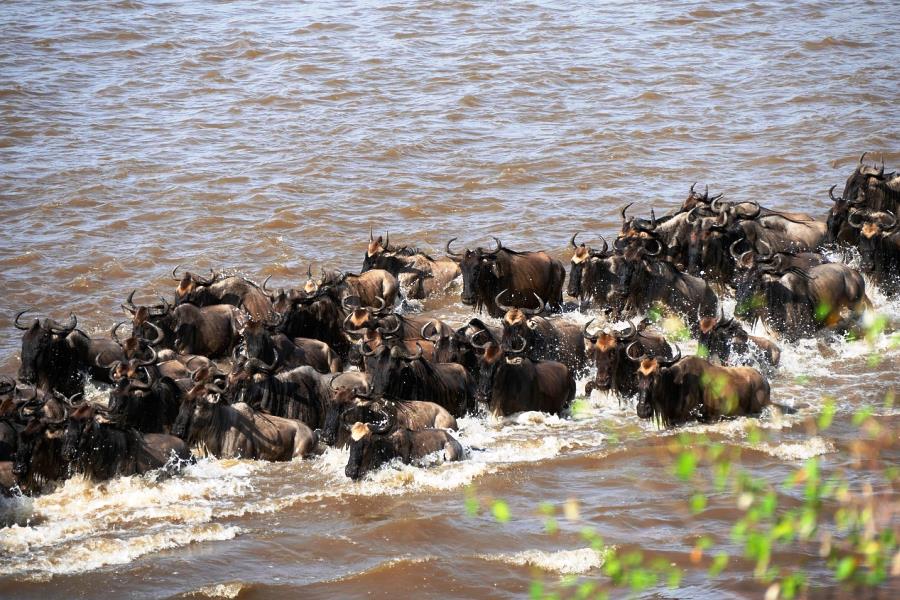
Wildebeest Migration
Witness one of the greatest wildlife spectacles on Earth as millions of wildebeests, zebras, and gazelles undertake their annual migration from the Serengeti in Tanzania to Masai Mara in search of fresh grazing pastures. Follow the thundering hooves and dramatic river crossings as predators lurk nearby, creating scenes of both chaos and harmony in the savannah.
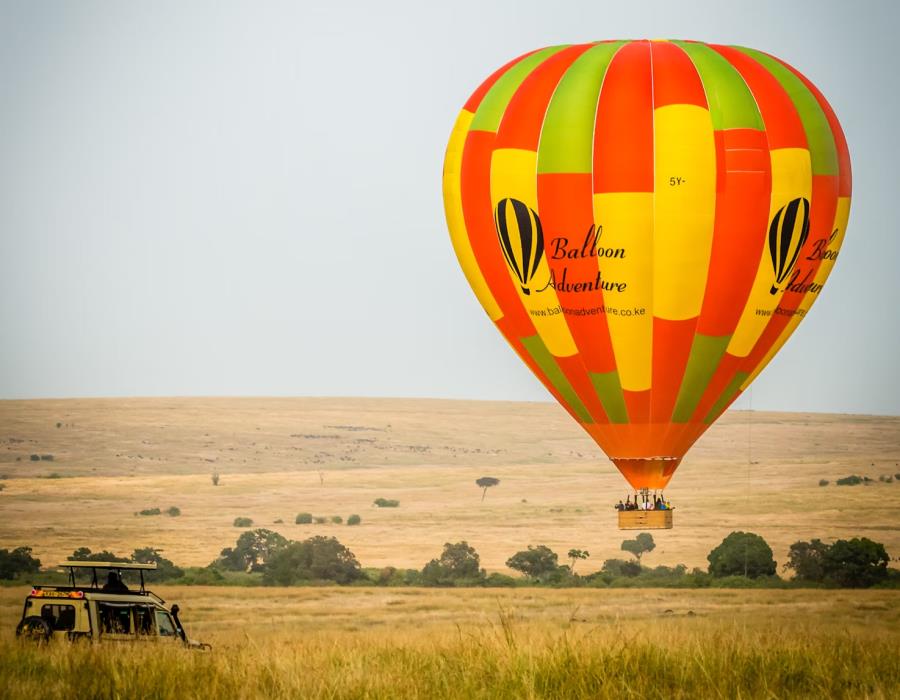
Hot Air Balloon Safaris
Experience Masai Mara from a unique perspective with a hot air balloon safari. Drift silently above the savannah as the sun rises, providing breathtaking views of the landscape and wildlife below. Toast to the adventure with a champagne breakfast upon landing, creating memories that will last a lifetime.
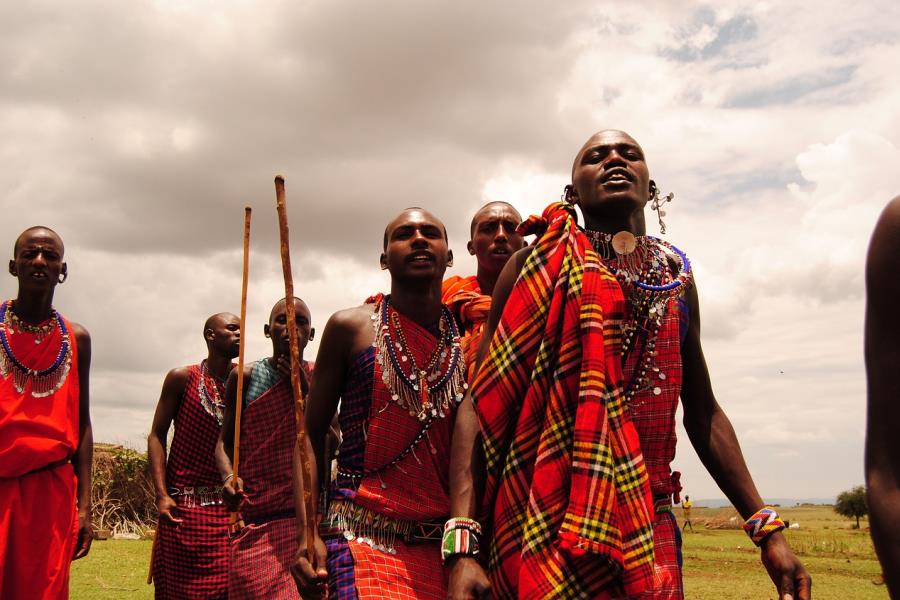
Cultural Encounters
Immerse yourself in the rich cultural heritage of the Maasai people with visits to local villages. Learn about their traditional way of life, witness vibrant dances and ceremonies, and gain insight into their deep connection with the land and wildlife.
Bird Watching
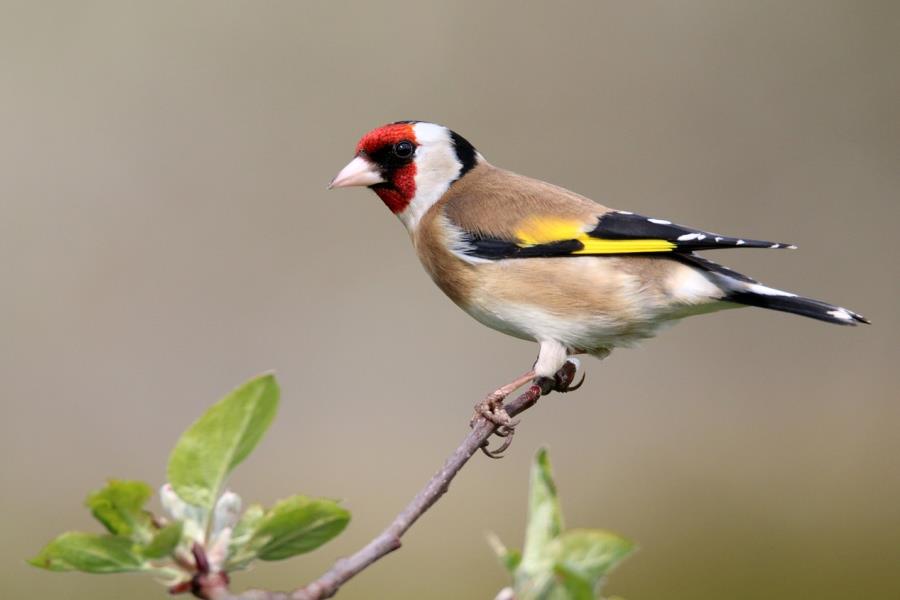
Masai Mara is a birdwatcher’s paradise, boasting over 450 bird species, including raptors, waterbirds, and migratory species. Keep your binoculars handy as you explore the diverse habitats of the reserve, from open grasslands to riverine forests, and spot colorful feathered friends in their natural habitat.
The Best Time to Visit Masai Mara
The optimal time to visit Masai Mara depends on your interests and what you hope to experience during your safari adventure:
Great Wildebeest Migration: The migration typically occurs between July and October, with river crossings peaking in August and September. This is considered the best time to witness this incredible natural spectacle.
Dry Season: From June to October, the dry season offers excellent game viewing opportunities as wildlife congregates around water sources, making sightings easier. The weather is generally sunny with minimal rainfall, ideal for outdoor activities.
Green Season: From November to May, Masai Mara transforms into a lush green paradise after the seasonal rains. This is a quieter time in terms of tourist numbers, offering more affordable accommodations and the opportunity to witness newborn wildlife and migratory bird species. However, wildlife may be more dispersed due to the abundance of water sources.
Ultimately, the best time to visit Masai Mara depends on your preferences and what you hope to experience during your safari adventure. Regardless of the season, Masai Mara never fails to impress with its natural beauty and wildlife wonders.
Login
Ut enim ad minim veniam, quis nostrud exercitation ullamco laboris nisi ut aliquip ex ea commodo consequat. Duis aute irure dolor in reprehenderit in